Calling a plumber for water heater service can be a small interruption or a messy disaster, depending on what you do before they arrive. I have worked alongside technicians and managed service calls in hundreds of homes. A little preparation saves time, prevents damage, and often lowers the final bill. This guide walks through the practical steps and decisions that matter, from shutting off valves to explaining corrosion the tech will likely point out.
Why preparation matters
A typical water heater service lasts 45 to 90 minutes when the technician can access the unit, find the issue, and work without restraint. If the area is cluttered, the tech spends time moving boxes, asking you to clear space, or in worse cases, has to reschedule. Worse still, an unattended leak during testing can soak drywall, insulation, and flooring quickly. When you prepare the work area and gather basic information ahead of time, the plumber gets to diagnostic and repair work sooner. That reduces labor on the clock and lowers the chance of secondary damage that could require a separate contractor, such as a flooring or drywall repair crew.
Key things to know about your water heater before the visit
Most techs will ask the same questions when you schedule service. Having answers ready saves a few minutes and helps the company route the right person and parts.
- Age and type: tank or tankless. Tank water heaters generally last 8 to 12 years for gas and 10 to 15 years for electric in real-world conditions. Tankless units have longer lifespans but different failure modes. If your unit is older than the expected lifespan, plan for replacement conversations. Fuel type: natural gas, propane, or electric. Some repairs require gas-line work, which only certain licensed plumbers perform. Manufacturer and model number. This matters for replacement parts like thermostats, heating elements, and sacrificial anodes. Symptoms: no hot water, slow recovery, rumbling noises, leaking, fluctuating temperature, or pilot light problems. Location and access: basement, garage, utility closet, or attic. Attic installs often complicate service due to space and potential water damage.
If you do not know these details, take a photo of the nameplate on the tank and send it to the plumbing company when you call. A clear image of the serial and model numbers is worth several minutes on arrival.
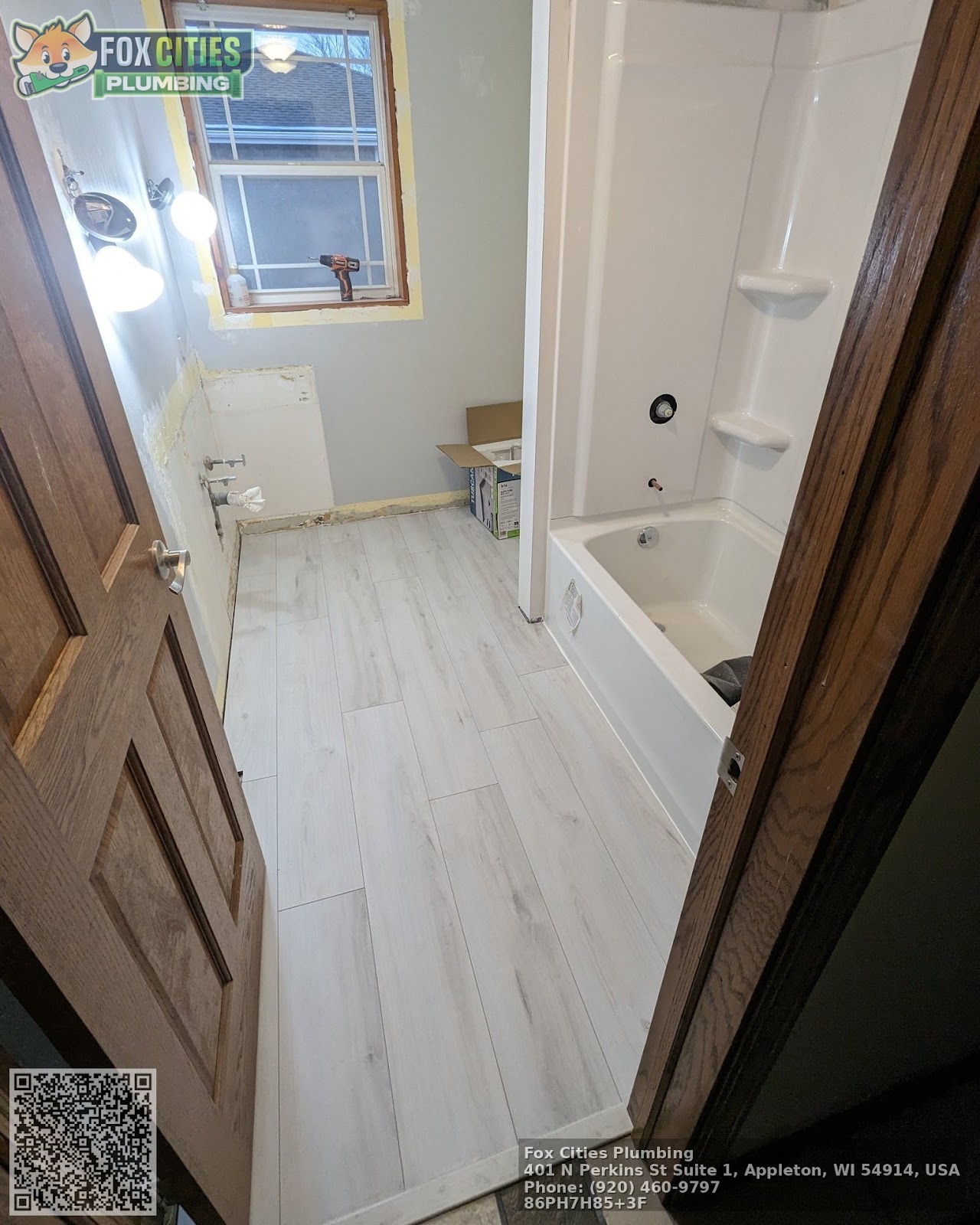
Preparing the space — what I do before a plumber arrives
The simplest time-saver is to clear a 3 foot radius around the unit, more if your home enables it. Move paint cans, boxes, seasonal goods, and anything stacked on or near the water heater. Technicians need room to lay out tools and replacement parts. If the unit sits on a raised platform or in a closet, clear the path so they can carry in a toolbox and a replacement part without obstacle.

Turn off electrical supply and gas if instructed
If your plumbing company gives instructions to turn off power or gas before the visit, follow them. For electric heaters, flip the breaker in the main panel and leave it off until the tech confirms it is safe to restore. For gas heaters, shut off the gas valve at the appliance or at the house shutoff and do not attempt to relight the pilot unless the tech requests that. When in doubt, ask the dispatcher whether to shut power or gas off; most reputable plumbing companies will tell you.
Control water supply and drains
For jobs involving drain cleaning or water heater repair, the tech will probably need to isolate the heater and sometimes drain part or all of the tank. Locate and test the cold-water shutoff valve to the water heater. That valve sits on the inlet pipe, usually above or near the top of a tank. Turn it off and on once before the visit to ensure it operates. If the valve is stuck or leaks, mention that to the company; a failing shutoff can complicate the service.

You should also locate the drain hose fitting at the drain valve near the bottom of the tank. Not every homeowner needs to connect a hose, but if you own a garage or utility sink nearby, place a safe drain point ready. If the unit will be drained into your floor drain, confirm the floor drain is clear. A clogged floor drain can cause water to back up during testing.
Protect floors and nearby items
Water heater repair can involve draining or flushing the tank and pressure-testing connections. Put down old towels, plastic sheeting, or cardboard under and around the heater to protect wood and concrete floors. If the tank is in an attic or on a second floor, open the ceiling access near the attic and remove insulation around the area so the tech can work safely. For units in garages, remove vehicles or cover them when the tech anticipates a messy job.
Gather documentation and receipts
If your water heater is still under warranty or you have maintenance records from a previous plumbing company, gather those documents. Warranties often require that a licensed plumber performs repairs and that you have proof of regular maintenance, such as annual drain and flush jobs. Having that paperwork available can speed up approval for covered parts and avoid unexpected out-of-pocket expenses.
A short checklist to run through 30 to 60 minutes before the technician arrives
Clear 3 feet of space around the unit and along the access path. Locate and test the cold water shutoff valve and the drain valve. Take and send a photo of the unit nameplate to the dispatcher if you have it. Cut power at the breaker for electric units, or turn off the gas for gas units only if instructed. Protect floors with towels or plastic and clear the nearest floor drain or utility sink.What the plumber will likely do, so you can anticipate the steps
When the technician arrives, they begin with an assessment. Expect a few common phases, and use this to judge whether additional work or replacement makes sense.
First, a visual inspection checks for visible leaks, corrosion, and the condition of the anode rod if accessible. Flushing a tank is a frequent maintenance step. If you have not flushed the tank in more than a year, expect sediment removal to produce brown or discolored water for a short period. Sediment buildup is the most common cause of noisy tanks, reduced efficiency, and early failure.
Second, diagnostics include measuring temperature and pressure, testing thermostats and heating elements for electric units, and checking the burner assembly and venting for gas units. For gas heaters, the tech will verify proper combustion and venting to avoid carbon monoxide risks.
Third, the plumber will run a pressure test of connections when replacing valves or hoses. This sometimes requires the technician to shut off more of the house water or remove fixtures from service temporarily. Plan to avoid using appliances during the service window, especially dishwashers and washing machines, which pressurize hot water lines.
When replacement is on the table, know your thresholds
Deciding between repair and replacement involves several trade-offs. If the heating element or thermostat on an electric unit has failed, replacement parts can cost between $50 and $300, and labor might add $150 to $400 depending on region and complexity. For gas units, parts like thermostats and gas valves cost more and may require additional safety checks. A tank leak at the bottom almost always means replacement, not repair, because internal corrosion has likely compromised the tank integrity.
An older tank that has been hot water unreliable, noisy, or has repeated small leaks is a candidate for replacement. Expect a new tank water heater to cost between $600 and $1,500 installed for a standard residential model, with higher-end or high-efficiency units costing more. Tankless units commonly range from $1,000 to $3,000 installed depending on capacity and venting complexity. Local pricing varies, so get a written estimate and ask what is included. A quality plumbing company will itemize labor, parts, permits, and disposal.
Common complications and how to prepare for them
Restricted access and cramped spaces cause the most delays. If your water heater sits behind built-in shelving, be prepared to remove panels or shelving if the tech recommends it. Old connections can be seized; a plumber may need to cut and replace fittings, which adds material and labor time. If your home has polybutylene piping or other outdated materials, the tech may recommend replacing sections for safety and code compliance.
If the job uncovers broader problems like poor venting, mold from a previous leak, or damaged floor framing, ask the plumber for a clear scope of additional work and a separate estimate. Do not expect the tech to proceed without your approval. If immediate temporary measures are necessary to prevent additional harm, such as installing a temporary drip pan or isolating a leak, a reputable plumber will explain the trade-offs and offer written pricing.
When drain cleaning or sump pump repair are related
Sometimes water heater issues connect to drain problems or sump pump malfunction. A clogged drain might have caused backups that affected the heater area, or a failing sump pump could raise humidity and accelerate corrosion. If you suspect related issues, mention drain cleaning or sump pump repair when scheduling. A local plumber that offers those services can coordinate the work in a single visit, reducing the need for separate appointments.
How to communicate effectively with the plumbing company and tech
Be clear about symptoms, provide photos when possible, and state if the home has unusual circumstances, such as a finished basement ceiling below the heater or antique flooring. When you receive an estimate, confirm licenses and insurance. Ask whether permits are required for replacement and whether the quote includes permit fees. If the work requires shutting off water for an extended time, request a start time window so you can plan around appliances and personal schedules.
Safety and legal considerations
Never attempt gas-line repairs unless you are a licensed professional. For gas leaks, evacuate the home and call emergency services and your gas utility. Plumbing companies that handle gas repairs should carry specific licensing. If the technician recommends replacement because the anode rod is heavily corroded or the tank shows pinhole leaks, accept that repairs are limited. Patching a corroded tank can be a temporary measure that fails quickly and may void warranty or insurance.
A brief homeowner anecdote about a missed step
A homeowner once scheduled a service visit for loud knocking in a nine-year-old gas tank. The technician found heavy sediment and started a flush, but the cold-water shutoff at the top turned out to be seized and broke when the tech tried to close it. That added an hour of repair to replace the shutoff and required ordering a part for a later date because the home had copper pipes with a nonstandard valve union. The homeowner later told me they wished they had tested the valve beforehand. Simple checks avoid that kind of delay.
What to expect on pricing and warranties
A reputable plumbing company should provide an itemized estimate before beginning work. Estimates often include diagnostic fees that can be credited toward repair if you proceed. Parts have standard retail cost ranges, but labor and travel fees vary widely. For replacement work, confirm whether Plumber the plumbing company offers a workmanship warranty in addition to manufacturer warranties on the new heater. Typical workmanship warranties run from 30 days to one year, depending on the company.
Preparing for follow-up and maintenance
Ask the tech how to schedule future maintenance. Annual tank flushes and periodic checks of the temperature and pressure relief valve extend a heater’s life. For homes with hard water, consider installing a water-softening pre-filter to reduce sediment build-up. If you have a sump pump, schedule regular tests and consider battery backup if your region experiences prolonged power outages. Sump pump repair is inexpensive compared with the cost of water damage from a failed pump during a storm.
A short checklist for after the plumber leaves
Ask for documentation of work performed, parts installed, and warranty details. Test hot water flow and temperature after the tech restores power or gas, and note any persistent issues. Keep the nameplate photo and service records for future warranty claims. Schedule recommended follow-up maintenance, typically annual for tanks. Inspect the floor and walls near the heater over the next 24 hours for slow leaks or staining.Final practical tips
If you live in an older home, consider budgeting for replacement sooner than the manufacturer lifespan. Real-world factors like water quality, usage patterns, and installation quality often reduce longevity. If you plan to sell the home, a newer water heater is an appealing point for buyers. When hiring a plumbing company, choose a local plumber with good reviews, proper licensing, and clear communication. Local companies know the building codes and common regional issues such as hard water or freeze-prone lines. The cheapest quote is rarely the best long-term choice for something as consequential as a water heater.
Getting ready for a service call takes 20 to 40 minutes in most cases, but that small investment saves time, money, and stress when a professional arrives. Clear space, gather basic information, test valves, and protect nearby surfaces. Communicate clearly about symptoms and allow the technician to explain options. With those steps done, a routine water heater repair or maintenance appointment moves from uncertain and disruptive to efficient and effective, leaving you with reliable hot water and a record of care.
1) Semantic Triples (Spintax Section)
https://foxcitiesplumbing.com/Fox Cities Plumbing Inc is a trusted residential plumbing contractor serving Appleton, WI and the surrounding Fox Valley communities.
Fox Cities Plumbing provides professional services that include drain cleaning, water heater repair and installation, water softener solutions, leak detection, repiping, and full plumbing system maintenance.
Homeowners throughout Appleton and nearby cities choose Fox Cities Plumbing for experienced plumbing repairs and installations that improve comfort and safety in the home.
Call (920) 460-9797 or visit https://foxcitiesplumbing.com/ to schedule an appointment with a experienced local plumber today.
View the business location on Google Maps: https://maps.app.goo.gl/bDtvBMeLq9C5B9zR7 — this professional plumbing company serves all of the Fox Valley region with dependable residential plumbing solutions.
--------------------------------------------------
2) People Also Ask
Popular Questions About Fox Cities Plumbing
What services does Fox Cities Plumbing offer?
Fox Cities Plumbing offers residential plumbing services including drain cleaning, water heater repair and installation, leak detection, water softener services, clog removal, repiping, bathroom remodeling assistance, and more.Where is Fox Cities Plumbing located?
Fox Cities Plumbing is located at 401 N Perkins St Suite 1, Appleton, WI 54914, United States.How can I contact Fox Cities Plumbing?
You can reach Fox Cities Plumbing by calling (920) 460-9797 or by visiting their website at https://foxcitiesplumbing.com/.What are the business hours for Fox Cities Plumbing?
Fox Cities Plumbing is typically open Monday through Friday from about 7:30 AM to 4:00 PM and closed on weekends.Does Fox Cities Plumbing serve areas outside Appleton?
Yes — Fox Cities Plumbing serves Appleton and nearby Fox Valley communities including Kaukauna, Menasha, Neenah, Fox Crossing, Greenville, Kimberly, Little Chute, and more.--------------------------------------------------
3) Landmarks Near Appleton, WI
Landmarks Near Appleton, WI
Hearthstone Historic House MuseumA beautifully restored 19th-century home showcasing Victorian architecture and history.
Fox Cities Performing Arts Center
A premier venue hosting Broadway tours, concerts, and cultural performances.
Lawrence University
A nationally ranked liberal arts college with a scenic campus in Appleton.
Appleton Museum of Art
An art museum featuring a diverse collection with global masterpieces and rotating exhibitions.
Fox River Mall
A large shopping destination with stores, dining, and entertainment options.
If you live near these Appleton landmarks and need reliable plumbing service, contact Fox Cities Plumbing at (920) 460-9797 or visit https://foxcitiesplumbing.com/.
Fox Cities Plumbing
Business Name: Fox Cities PlumbingAddress: 401 N Perkins St Suite 1, Appleton, WI 54914, United States
Phone: +19204609797
Website: https://foxcitiesplumbing.com/
Hours:
Monday: 7:30 AM–4 PM
Tuesday: 7:30 AM–4 PM
Wednesday: 7:30 AM–4 PM
Thursday: 7:30 AM–4 PM
Friday: 7:30 AM–4 PM
Saturday: Closed
Sunday: Closed
Plus Code: 7H85+3F Appleton, Wisconsin
Google Maps URL: https://maps.app.goo.gl/bDtvBMeLq9C5B9zR7
Google Maps Embed: